


What We Can and Cannot Tell from Early Voting
Ask students: Do you think early voting should be expanded from state to state? Why or why not?
Share
October 30, 2020
Ask students: Do you think early voting should be expanded from state to state? Why or why not?
Share
What We Can Tell from Early Voting
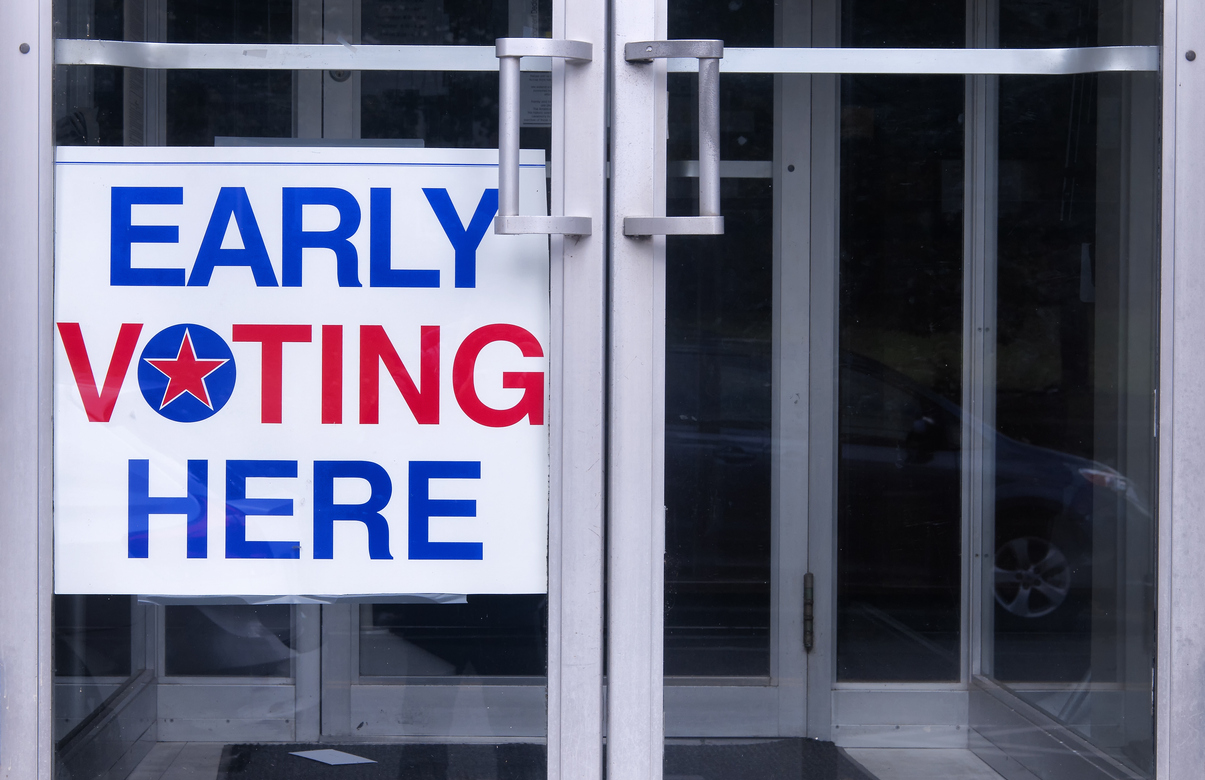
The country is seeing record turnout for early voting, as well as some late legal challenges around when — and if — all those votes get counted. Almost 70 million people have already cast their ballots, with Election Day still a week away. Read the summary, watch the video and answer the discussion questions. To read the transcript of the video above, click here.
Have your students identify the 5Ws and an H:
Then have students share with the class or through a Learning Management System (LMS).
Media Literacy: Why do you think so many media outlets are interested in closely tracking polls and early ballots, even if they don’t provide certainty about actual election outcomes?
Dig Deeper: Many experts have noted that this presidential election may be contested long after Election Day itself. There is a good chance states may not have a complete and accurate count of votes by November 3, partly due to record turnouts, record vote by mail and new COVID-19 precautions. President Trump and others have already suggested they will challenge counts of ballots after Election Day. But what would a contested election look like? Use this lesson to explore how previous contested elections shaped history, including the contest of 2000.
Republished with permission from PBS NewsHour Extra.