


2019 Novel Coronavirus Resources
Use this overview detailing 2019 Novel Coronavirus resources and learn about symptoms, prevention, and what you can do to protect yourself.

Share
January 29, 2020
Use this overview detailing 2019 Novel Coronavirus resources and learn about symptoms, prevention, and what you can do to protect yourself.
Share
Coronavirus Resources: Preparedness and Prevention
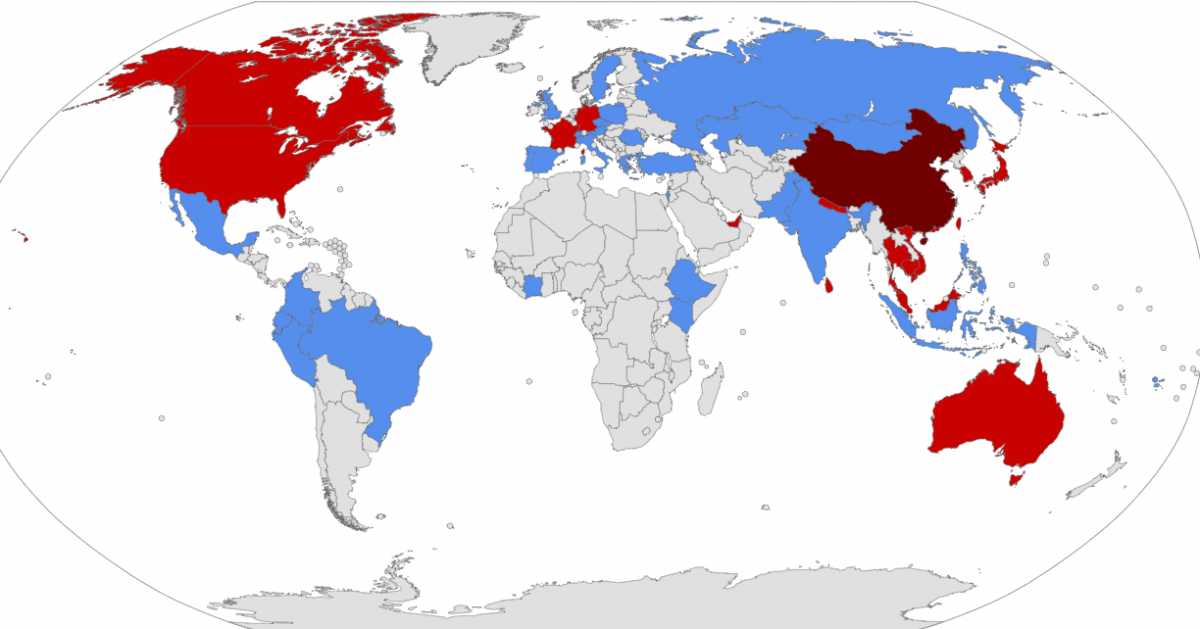
The Centers for Disease Control and Prevention (CDC) and the World Health Organization are working to contain a rapidly developing outbreak of a new coronavirus (2019-nCoV) identified in Wuhan, China. The first case in the United States was diagnosed on Jan. 21 in a man who had traveled from China. Japan, South Korea, Taiwan and Thailand have also reported cases. The virus is believed to have been transmitted from animals to humans, but person-to-person spread appears to be occurring. The CDC is working with the Department of Homeland Security to funnel all travelers from Wuhan to five airports (Atlanta, Chicago, Los Angeles, JFK in New York and San Francisco) for screening.
The coronavirus causes fever and lower respiratory illness—cough and difficulty breathing, resulting in pneumonia. Preliminary information indicates that persons older than 60 and those with underlying illness are at higher risk of severe disease and death, but information is still lacking on the scope of the illness. While the disease appears to be very infectious, it does not appear to be as deadly as SARS and MERS, earlier corona-type viruses. The CDC has developed a diagnostic test that it will share with domestic and international partners. No vaccine or specific treatment is yet available; care is supportive.
The CDC recommends that healthcare providers screen patients for infection from the coronavirus. If a patient has:
Providers should immediately notify hospital infection control and the local/state public health department. The CDC will help public health departments to safely collect, store and ship specimens. Currently, diagnostic testing can only be done at the CDC. Local labs should not attempt testing. View additional CDC guidance on collection and handling of specimens.
We do not yet know exactly how the virus is transmitted, but the CDC recommends infection control and personal protective equipment (PPE) for airborne, droplet and contact transmission—large and small infectious material can be inhaled or absorbed through mucous membranes.*
Personnel working with patients with suspected or confirmed coronavirus illness should use standard precautions, contact precautions and airborne precautions—use of an N95 or stronger respirator, nitrile gloves, gown and facial shield to protect the eyes, nose and mouth from splashes. Handwashing protocols are critical to prevent the spread of infection.
Workers must be medically cleared to use a respirator and should receive refresher training on donning and doffing PPE. Those using filtering face piece respirators, such as disposable N95s or N100s should have been fit tested. The Occupational Safety and Health Administration rule on respirators gives you the right to demand training and fit testing.
Thus far, the CDC guidance is limited to those traveling to Wuhan in China, but these recommendations may be useful to anyone traveling in Asia:
For people who have traveled to Wuhan and feel sick with fever, cough or difficulty breathing:
AFT Nurses and Health Professionals will continue to monitor the outbreak and provide additional materials to help members protect themselves and their communities.