Read the news summary, watch the video and answer the discussion questions. The video has been edited for length. To watch the video in its entirety or read the transcript, click here.
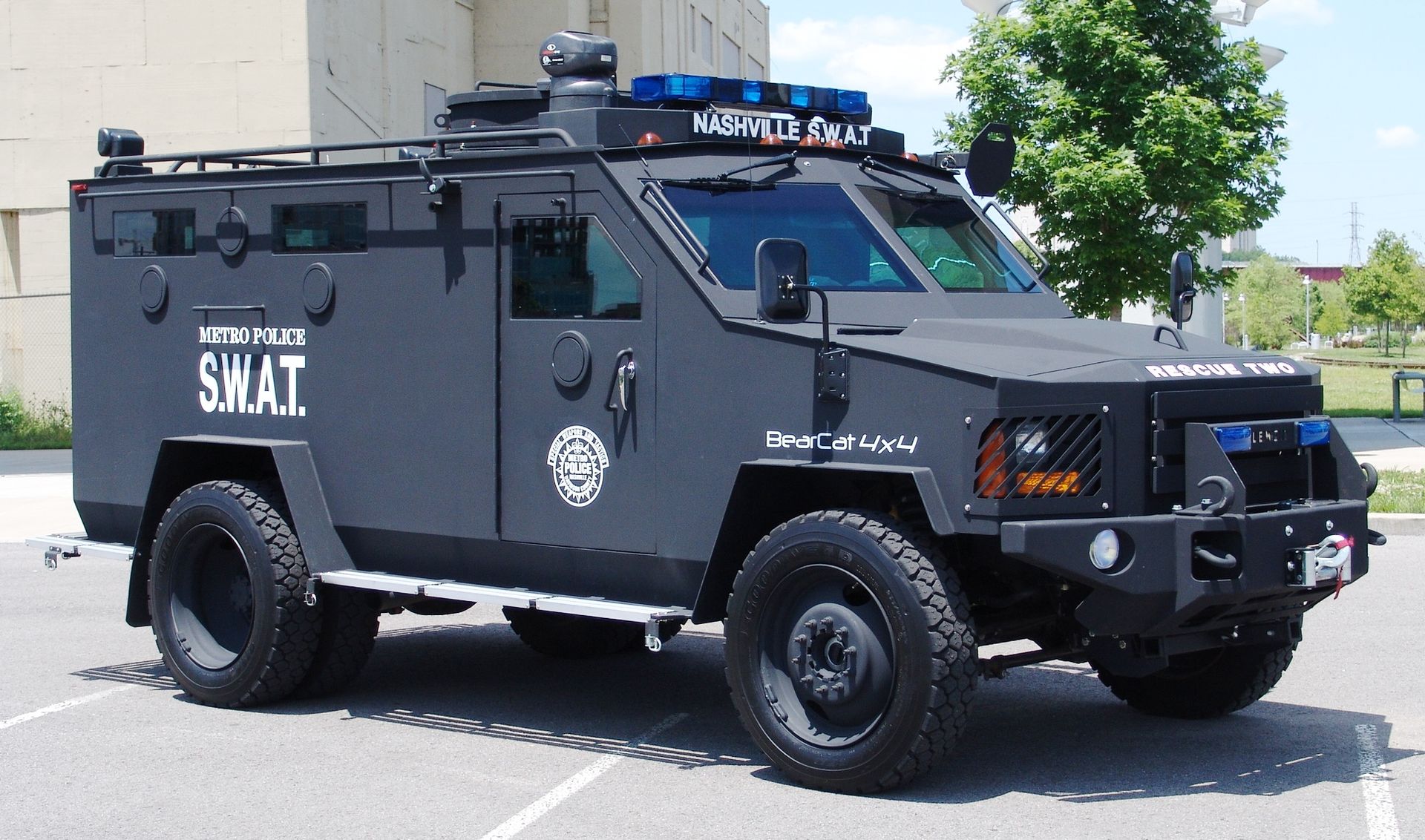
As protests over George Floyd’s murder continue for the ninth day in a row, officials are divided over how to maintain control in cities and prevent peaceful protests from becoming violent. Radley Balko, journalist and author of “Rise of the Warrior Cop,” discusses an increasing military edge to policing and its possible effects on the relationship between police and protesters.
Militaristic police actions which treat protesters as combatants may lead to increasing violence, according to Balko. In turn, protestors may begin to resent the police and respond with more violence.
Police departments have been able to acquire military weapons through the 1033 Program since 1990. Similar programs existed all the way back to WWII, but did not allow for the type of equipment to be authorized that the 1033 Program permitted. The program allowed for surplus military equipment from the Defense Department to be transferred to domestic police departments across the country.
The program was rolled back by President Barack Obama late in his administration after protests broke out in Ferguson, Missouri, following the 2015 killing of another unarmed black man, Mike Brown, by a white police officer. President Donald Trump signed an executive order removing limitations on the types of military equipment that could be sent to police departments.
Some police officers like Sheriff Christopher Swanson of Flint, Michigan, have marched with protestorsin recent days, which may help humanize both protestors and police and de-escalate tensions, according to Balko.
Discussing the Militarization of Police with Students
Essential question: How does the militarization of police departments affect the relationship between the police and the public?
What factors contribute to racial tensions between the police and local communities?
Other than Sheriff Swanson’s actions in Michigan, what are other actions that police chiefs could take to humanize both the protestors and police and help police better communicate with the people they serve?
Have you seen police officers in military-grade riot gear in your community? How did it make you feel? When you see these images on the news, do you feel more or less safe? Explain.
Media literacy: When journalists become deeply invested in a topic, they sometimes write a book, as Radley Balko did of the Washington Post. Why do you think he made this decision? What information can a book provide on the topic of militarization of the police that an article or a series of articles on the topic cannot?
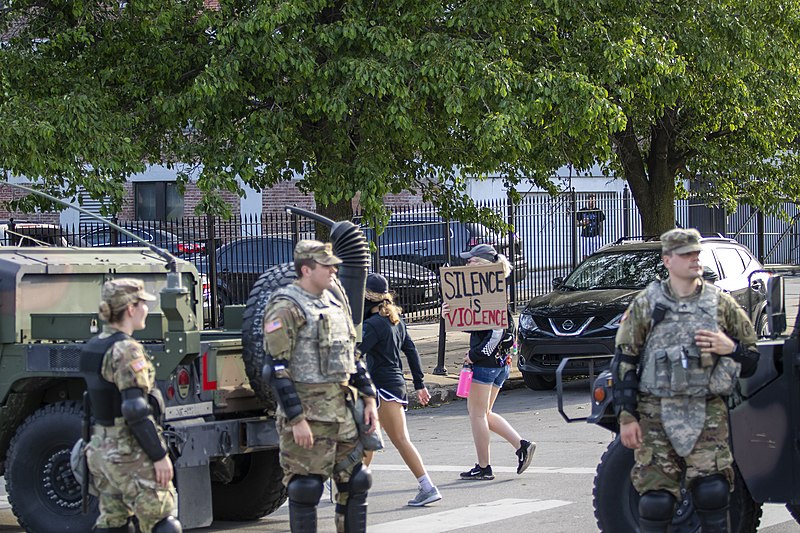
Soldiers with the Nebraska Army National support local law enforcement and help
enforce a city-wide curfew, June 2, 2020, Omaha, Nebraska. Photo: Sgt. Lisa Crawford
Militarization of Police: Extension Activity
President Trump has threatened to use the military to control protests unless states step in to do so first. Trump deployed the National Guard in the District of Columbia where he has special authority otherwise reserved for state governors since D.C. is not a state.
Watch the NewsHour video clip and ask your students: Should the military be used to control protesters? Why or why not? What is the Insurrection Act? What are examples in American history when state governments have sent in the military?
PBS News Hour Classroom helps teachers and students identify the who, what, where and why-it-matters of the major national and international news stories. The site combines the best of News Hour's reliable, trustworthy news program with lesson plans developed specifically for... See More