




About This Lesson
Mud. It may not seem terribly exciting, and most of us even go out of our way to avoid it. But mud is actually fascinating stuff. Why? Well, for one, studying mud can help us better understand various natural processes and phenomena. For example, the sediment in a layer of mud can shed light on the origin of the water that carried it. Mud from the sea floor can teach us about ocean acidification. And mud can even help scientists figure out when and where hurricanes struck in the past, long before humans were around to keep track of such things. In a sense, mud keeps a journal of events that happen on earth, but it’s up to us to decipher those “memories.”
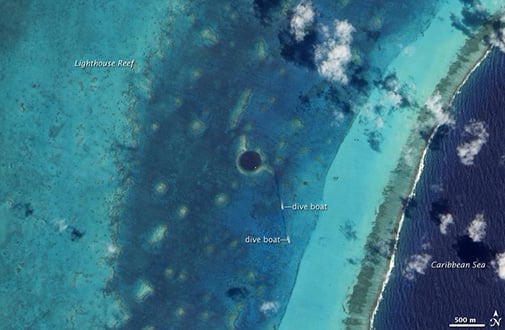
In this activity, you will create a model of sediment collected from the Blue Hole by scientists and use it to interpret climate events that occurred in the region. The goal of this activity is to understand how scientists use indirect evidence to make inferences about what earth’s climate was like in the past.